Augmented Hospitality
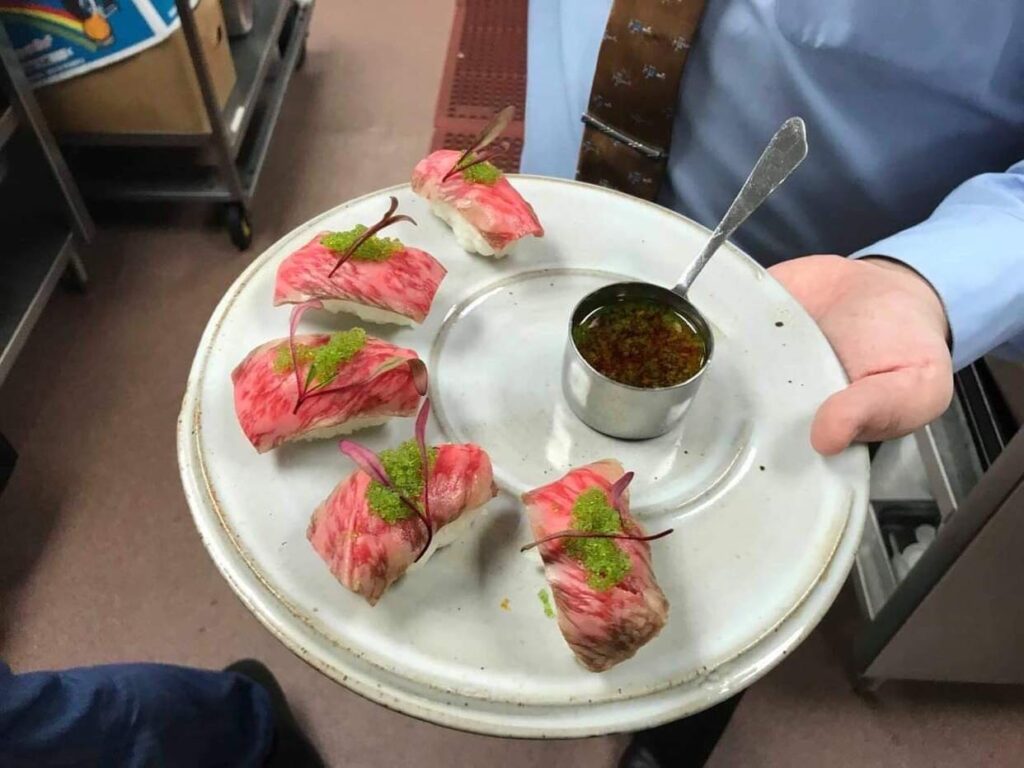
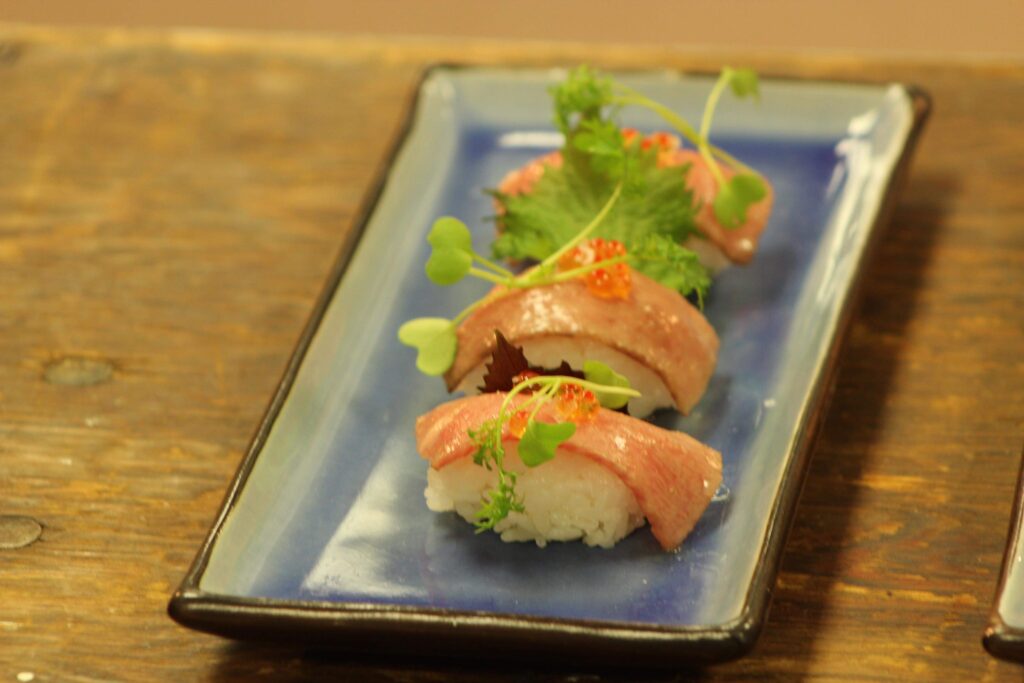
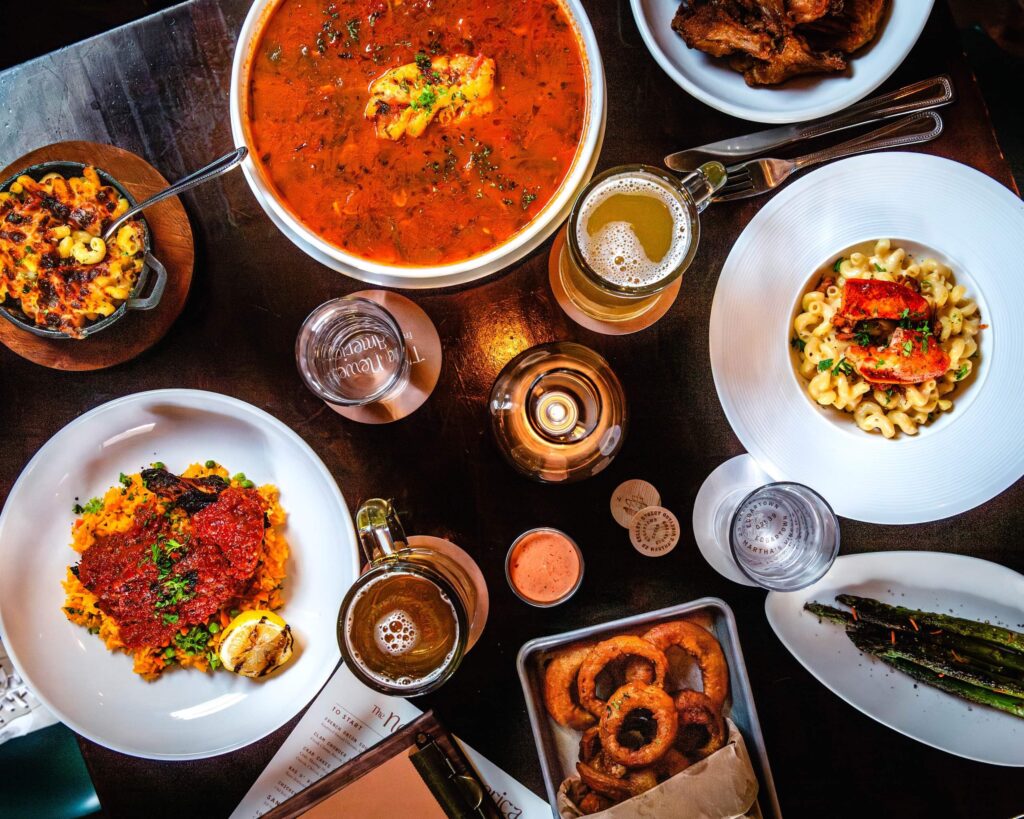
Welcome to the future of the lunch break. Under the CoastalFare project, we’ve engineered a bento box that doesn’t just sit at the intersection of three cultures—it lives at the intersection of culinary tradition and predictive tech.
Here is the prototype for the BentoChefs flagship offering:.
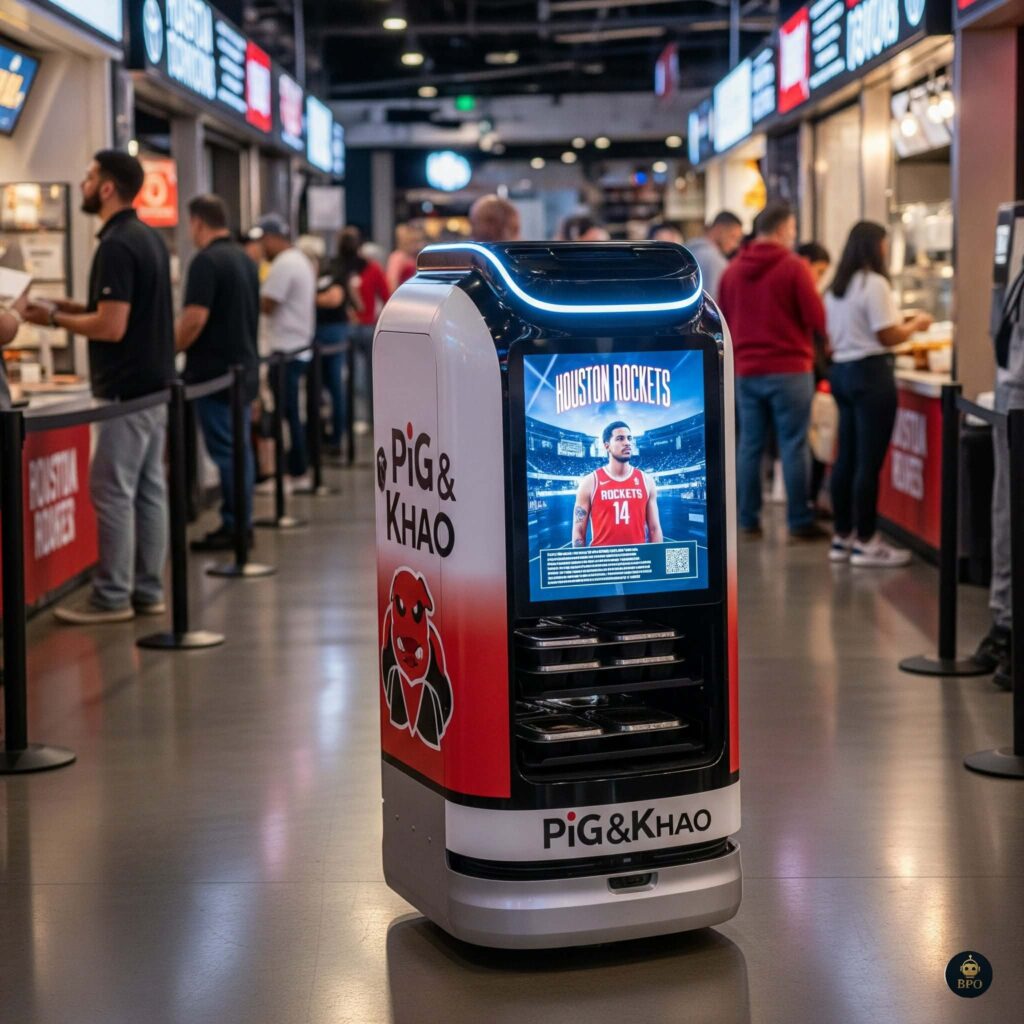
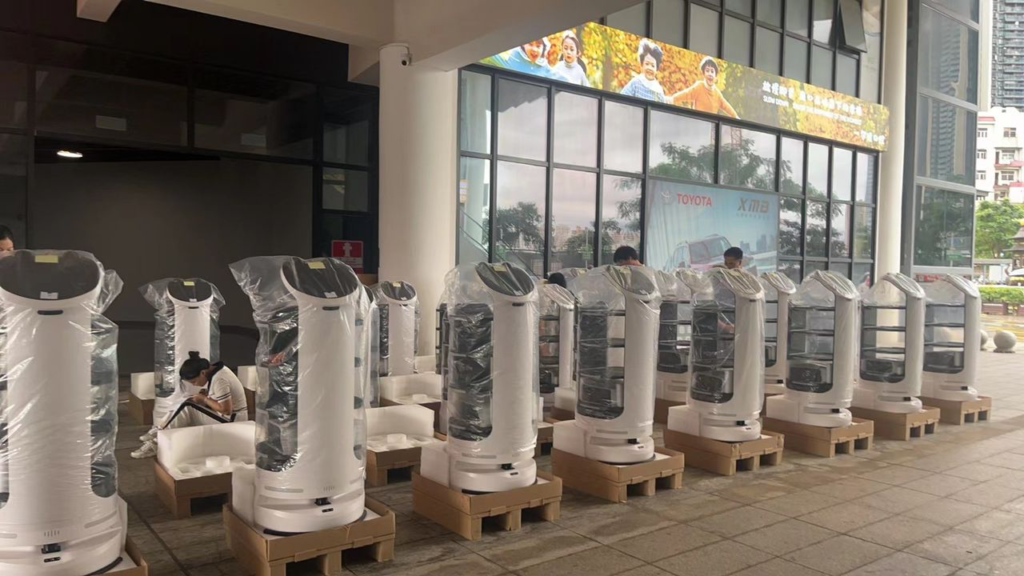
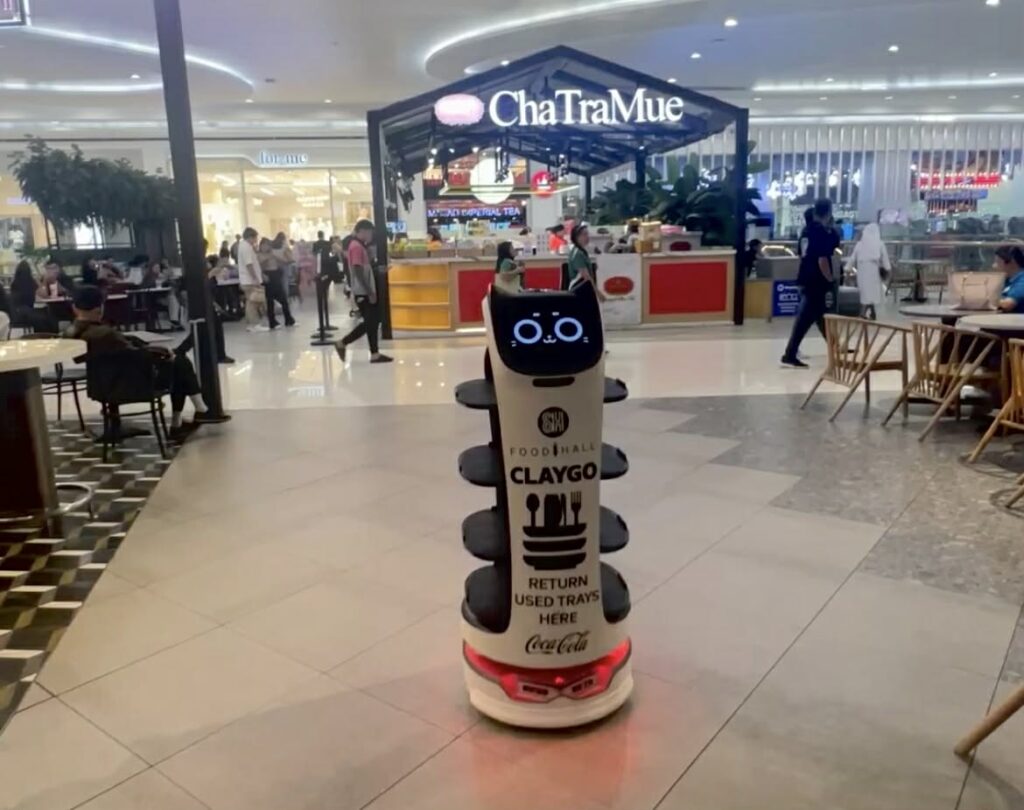
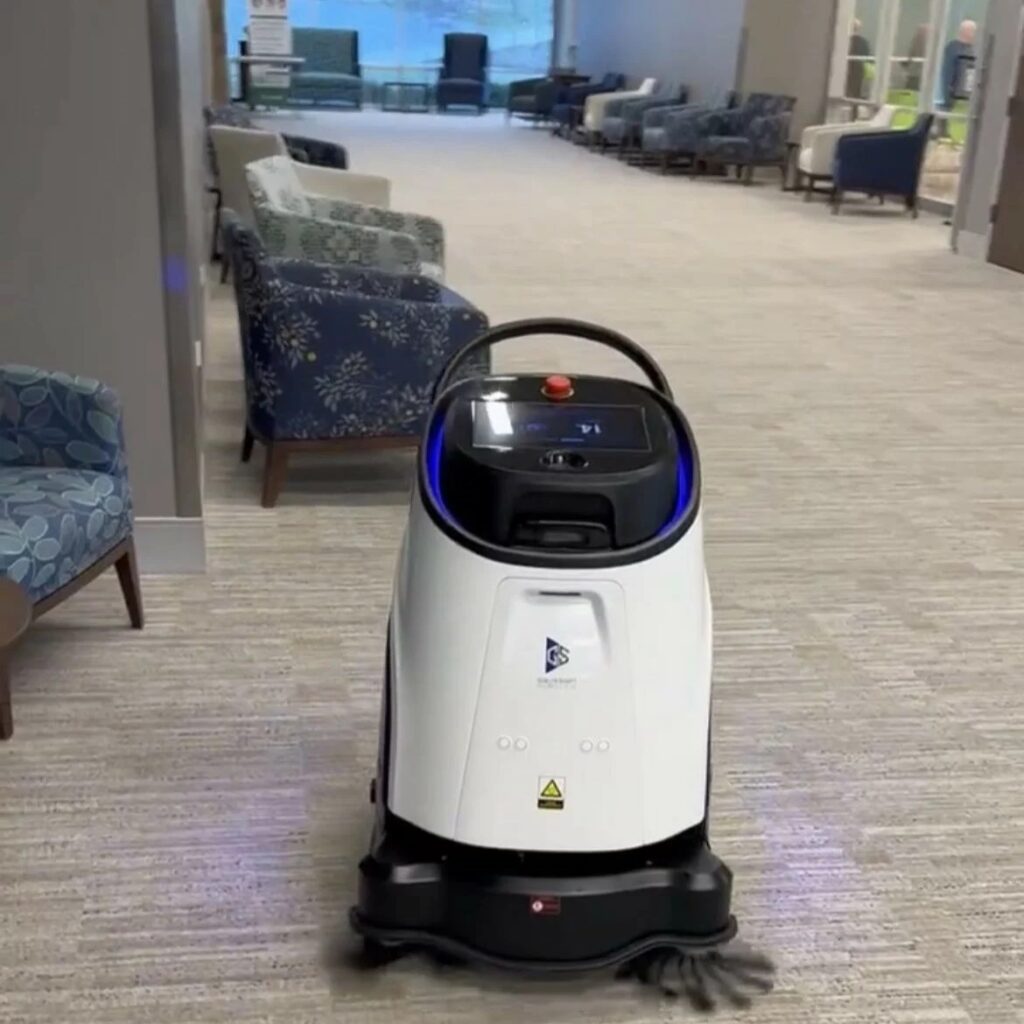
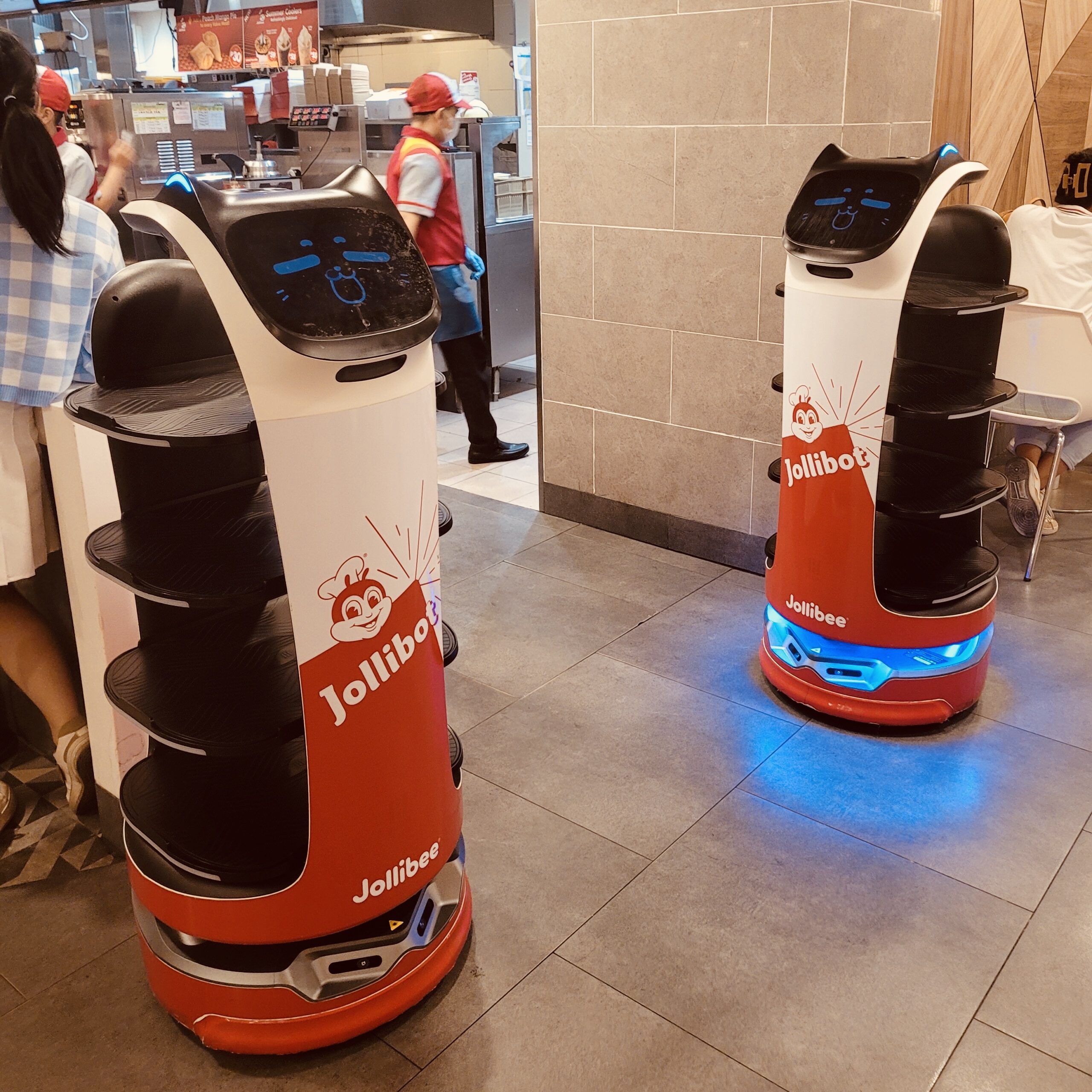
Robots that deliver: Food (and added revenue)! And in today’s complex times: Safety for People and Property.
Our Robot Fleet Increases Safety and Secures the Multi-Purpose Facility.
Uncover a realm of opportunities.
The CoastalFare project leverages the high-acid, high-umami profile of Filipino and Japanese food, tempered by the fresh, healthy fats of Mediterranean cooking. It’s “Plentiful” enough to fuel a workday but designed to avoid the post-lunch “food coma.”
This model focuses on CAPEX efficiency—shifting the investment from expensive physical walls to high-speed automation and modularity.
BE
NTo
CHEF
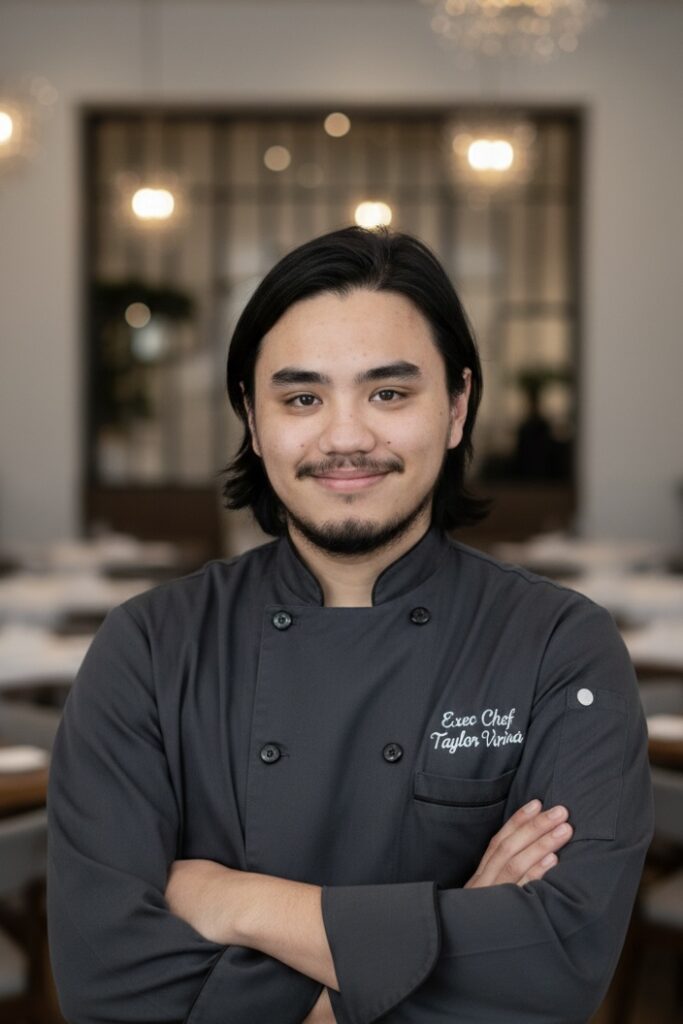
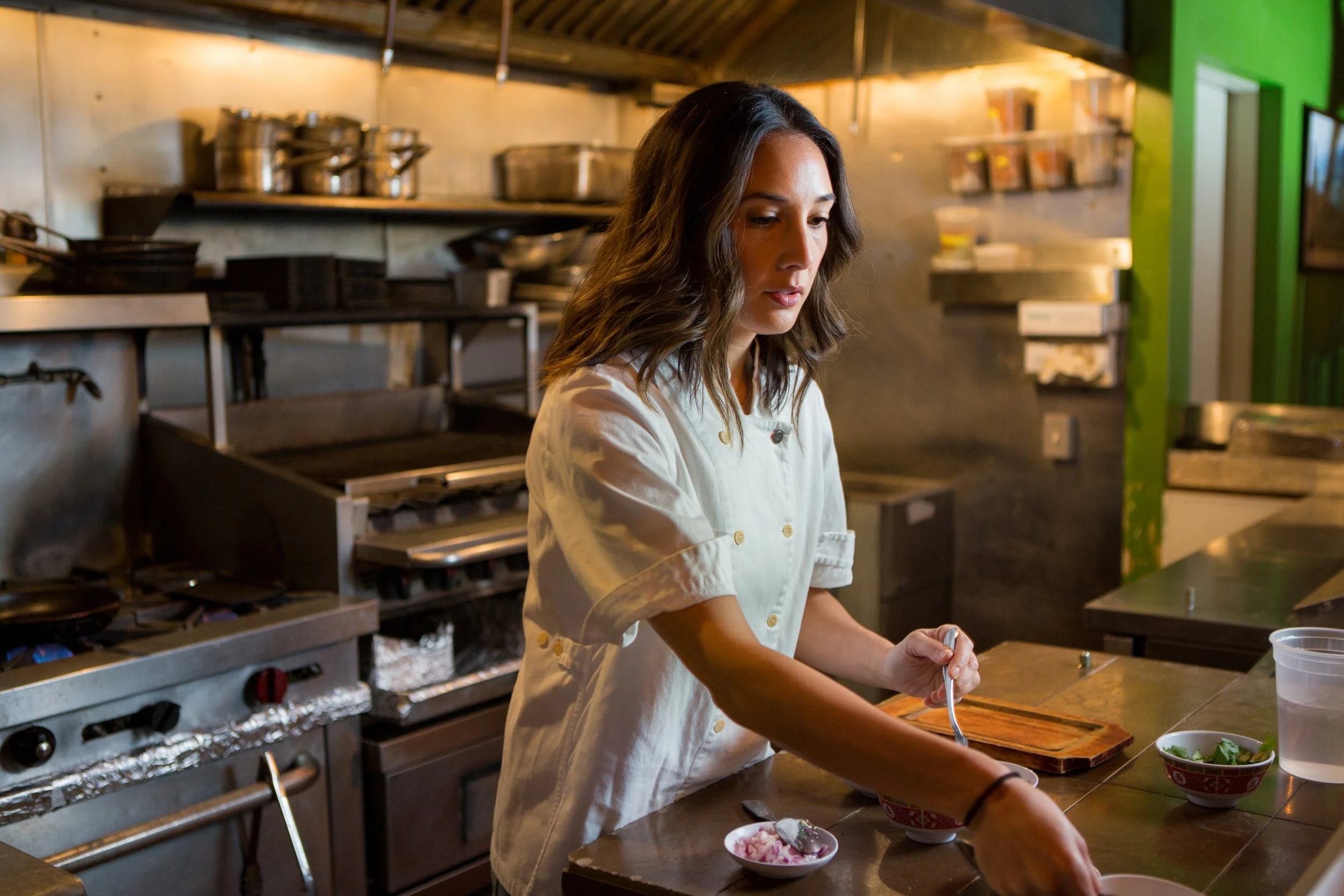
TAYLOR
New arrivals
This strategic expansion into airport terminals perfectly leverages the high-density, high-speed nature of your Japanese-Chinese tech stack. By utilizing a “hub-and-spoke” model—where a central Ghost Kitchen services both a sleek, automated Bistro and a series of mobile Popups—you maximize throughput while minimizing the expensive physical footprint of airport real estate.
Here is the operational breakdown for the CoastalFare Airport Ecosystem:
1. The “Zero-Footprint” Ghost Kitchen
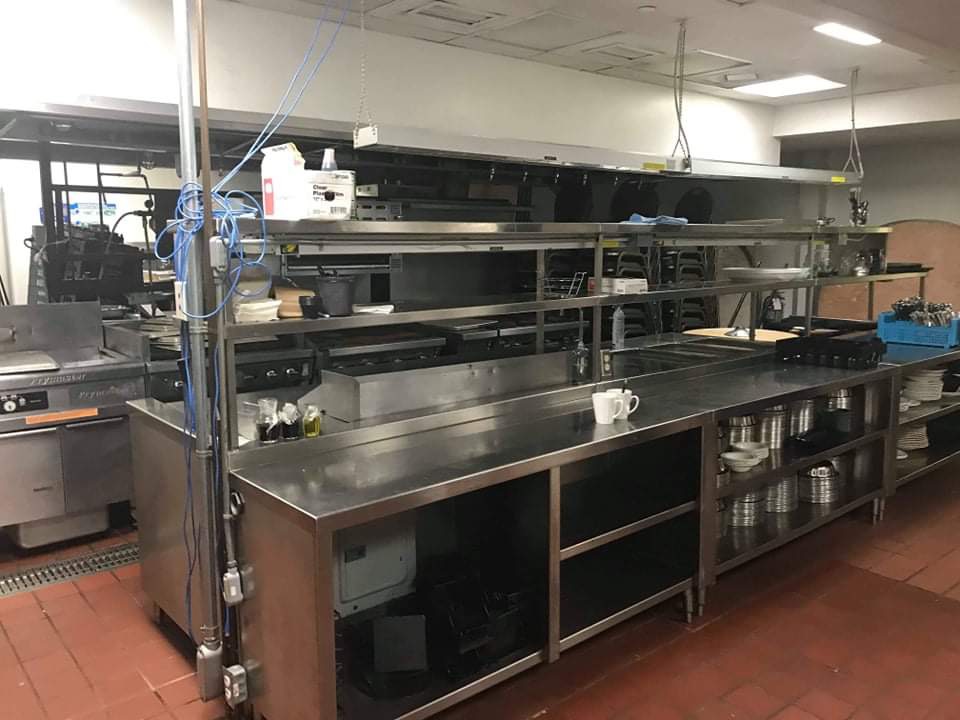
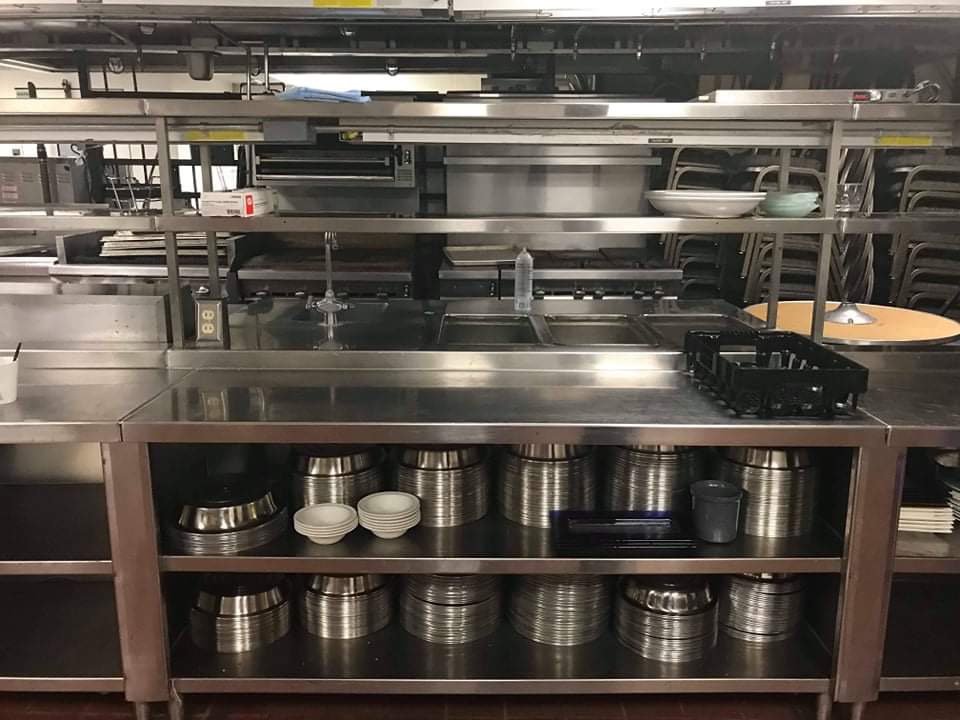
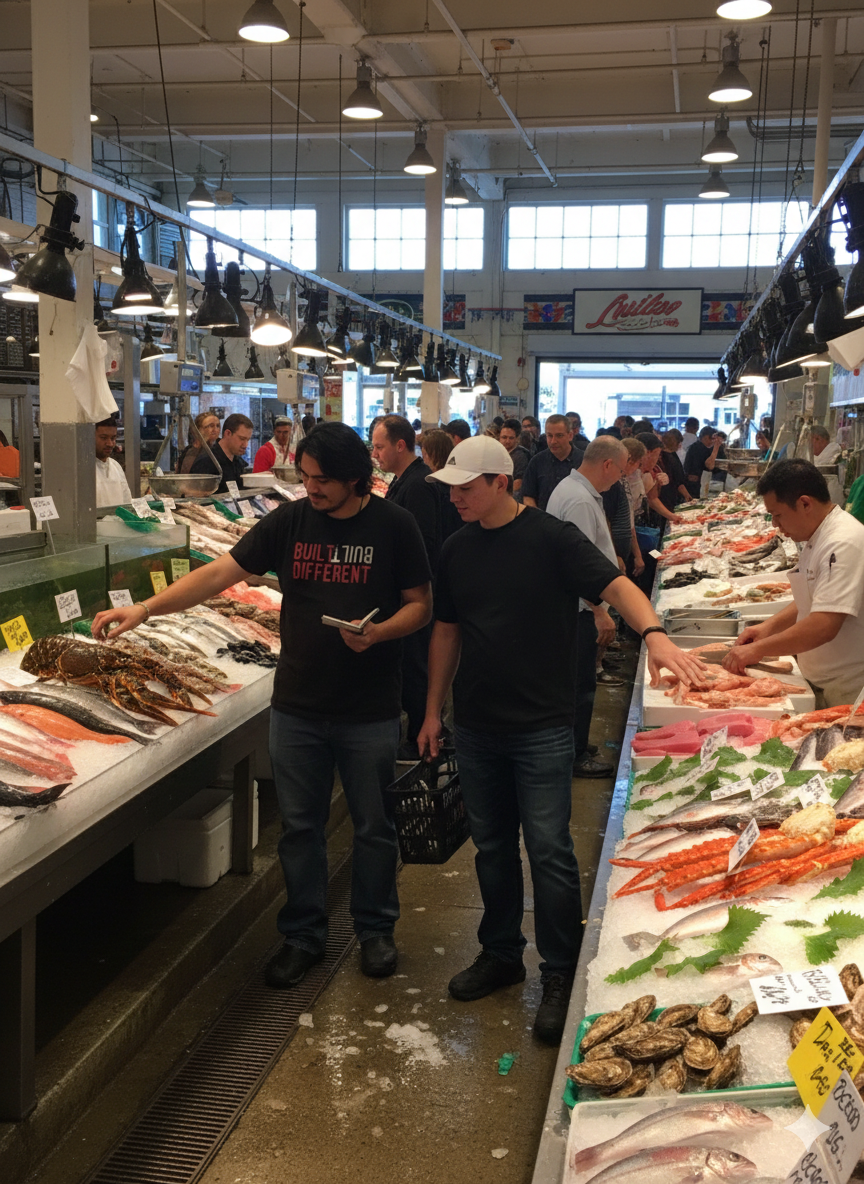
Located in the terminal’s non-passenger areas (or a “dark” corner of the food court), this is the engine of BentoChefs.
- Site Requirements: No front-of-house, no seating, and minimal aesthetic finishes.
- The Tech: Chinese-inspired automated stir-fry stations and Japanese HPP (High-Pressure Processing) units.
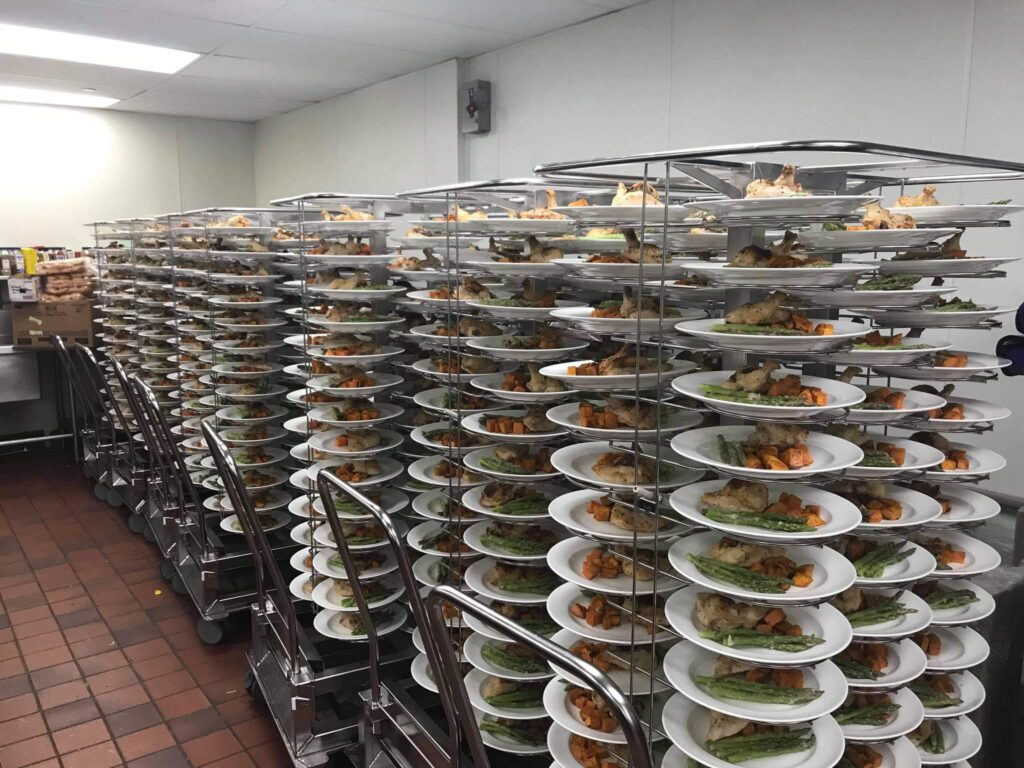
- Function: Prepares the core components (The Pork Inasal, the Adlai-Rice blend) in bulk, which are then “finished” at the touchpoints.
2. The “Smart-Terminal” Popups
These are modular, mobile kiosks situated near boarding gates where travelers are “marooned.”
- The Experience: Customers order via the app or a touch-screen kiosk.
- The AI Advantage: The system tracks flight delays in real-time. If a flight to London is delayed 2 hours, the AI pushes a notification to those passengers offering a “Mediterranean Energy Box” to sustain them.
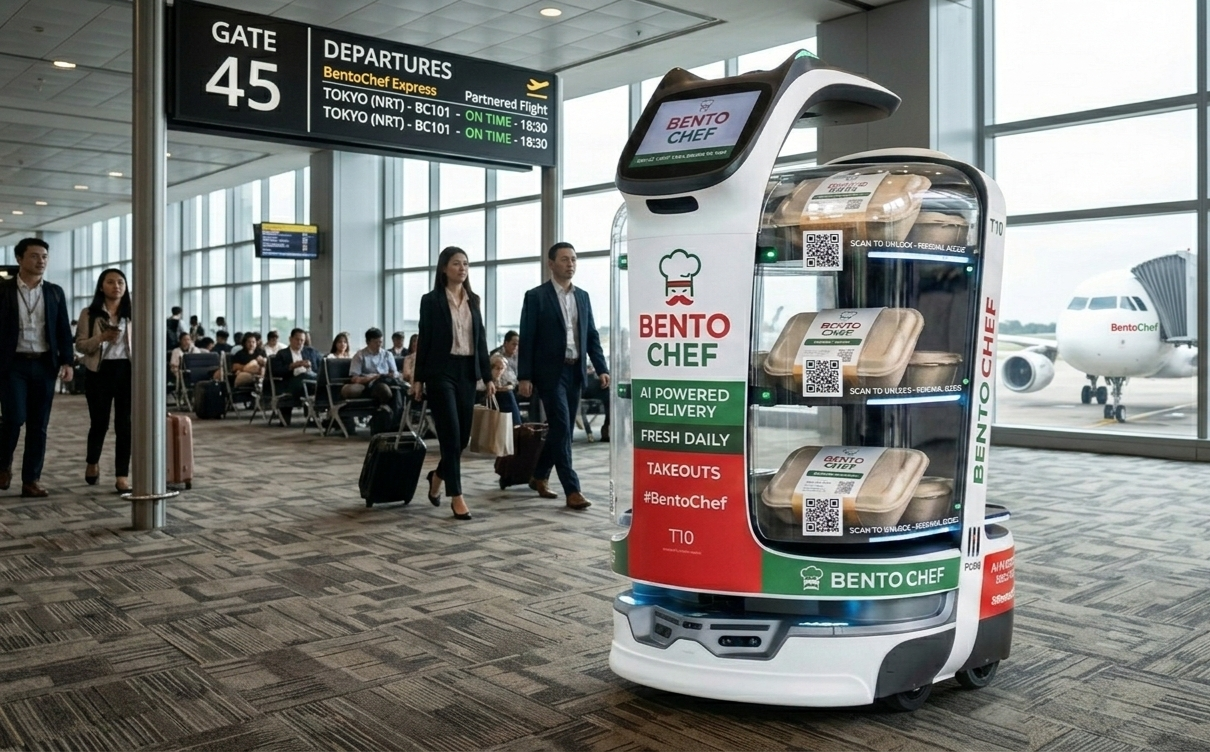
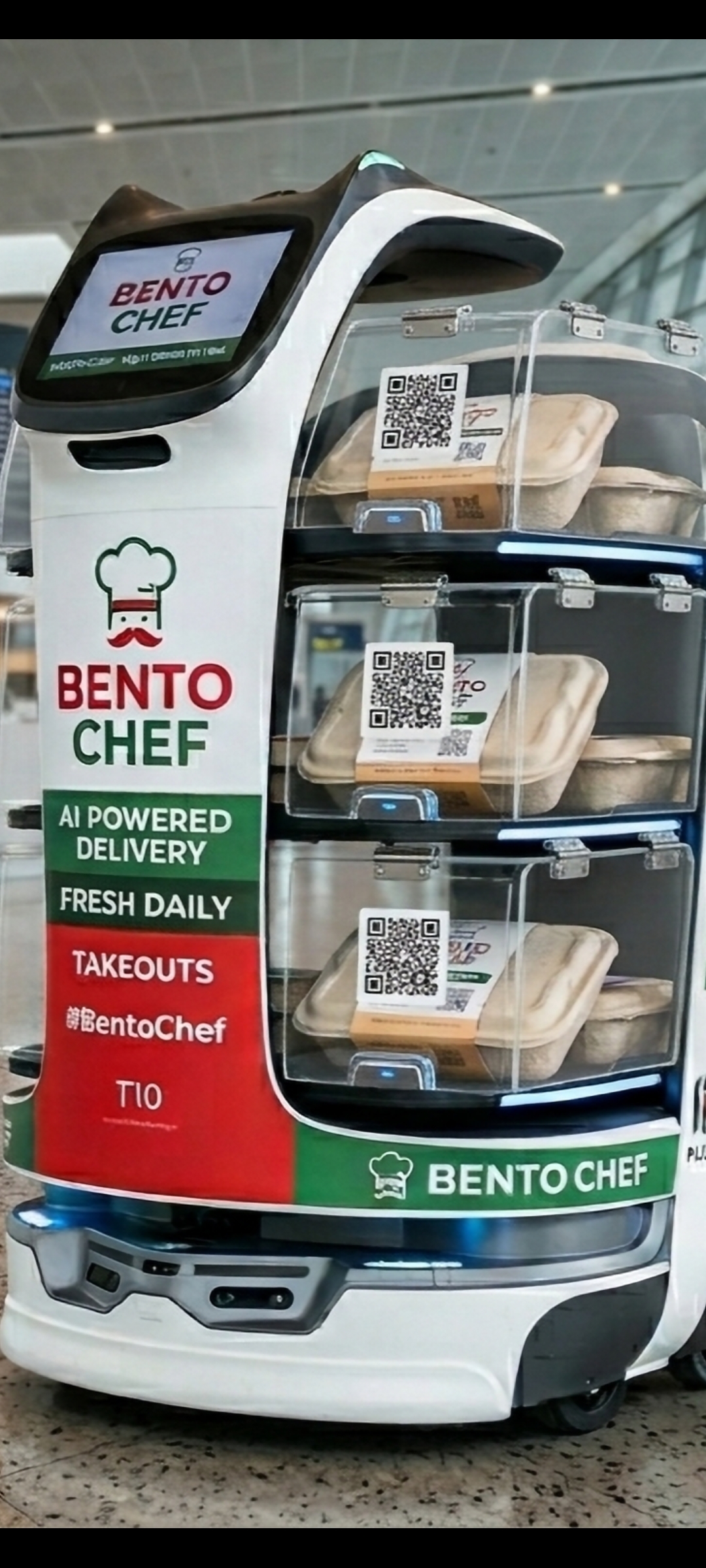
- Distribution: Fed by the Ghost Kitchen via small sidewalk rovers (Chinese robotics) that navigate the terminal crowds to restock the Popups every 30 minutes.
3. The “CoastalFare” Bistro
A high-tech, sit-down “oasis” for travelers with longer layovers.
- The Aesthetic: Minimalist Japanese wood meets Mediterranean open-air vibes, with Filipino hospitality staff (The “Human Touch”) acting as “Nutrition Concierges.”
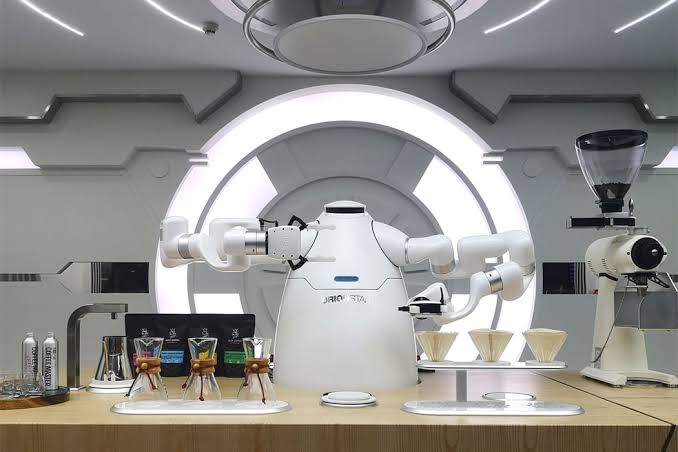
- Order Flow: While the kitchen is robotic and efficient, the presentation is premium. Food is served in the high-density, sustainable paper-pulp containers, emphasizing the “CoastalFare” commitment to the environment.


Something great is coming soon
Subscribe to get notified when our website is ready.
TERMINALS
This strategic expansion into airport terminals perfectly leverages the high-density, high-speed nature of our Japanese-Chinese tech stack. By utilizing a “hub-and-spoke” model—where a central Ghost Kitchen services both a sleek, automated Bistro and a series of mobile Popups— we maximize throughput while minimizing the expensive physical footprint of airport real estate.
Here is the operational breakdown for the CoastalFare Airport Ecosystem:
The “Zero-Footprint” Ghost Kitchen
Located in the terminal’s non-passenger areas (or a “dark” corner of the food court), this is the engine of BentoChefs.
- Site Requirements: No front-of-house, no seating, and minimal aesthetic finishes.
- The Tech: Chinese-inspired automated stir-fry stations and Japanese HPP (High-Pressure Processing) units.
- Function: Prepares the core components (The Pork Inasal, the Adlai-Rice blend) in bulk, which are then “finished” at the touchpoints.
The “Smart-Terminal” Popups
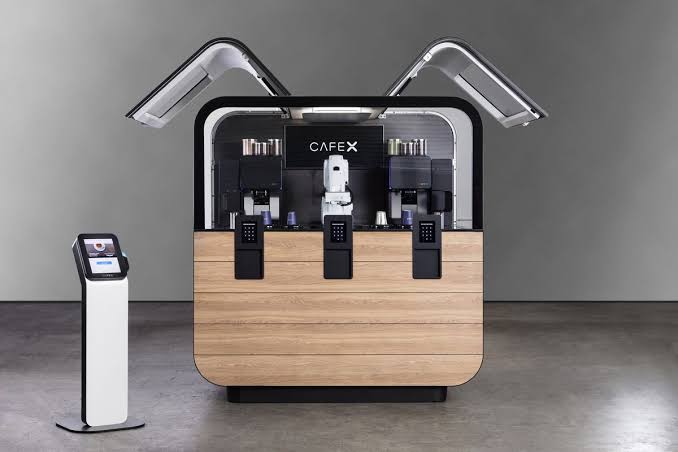
These are modular, mobile kiosks situated near boarding gates where travelers are “marooned.”
- The Experience: Customers order via the app or a touch-screen kiosk.
- The AI Advantage: The system tracks flight delays in real-time. If a flight to London is delayed 2 hours, the AI pushes a notification to those passengers offering a “Mediterranean Energy Box” to sustain them.
- Distribution: Fed by the Ghost Kitchen via small sidewalk rovers (Chinese robotics) that navigate the terminal crowds to restock the Popups every 30 minutes.
The “CoastalFare” Bistro
A high-tech, sit-down “oasis” for travelers with longer layovers.
- The Aesthetic: Minimalist Japanese wood meets Mediterranean open-air vibes, with Filipino hospitality staff (The “Human Touch”) acting as “Nutrition Concierges.”
- Order Flow: While the kitchen is robotic and efficient, the presentation is premium. Food is served in the high-density, sustainable paper-pulp containers, emphasizing the “CoastalFare” commitment to the environment.
Comparative Advantage: Terminal Site Requirements
| Feature | Traditional Airport Restaurant | BentoChefs Ghost + Bistro |
|---|---|---|
| Kitchen Size | Large (requires full ventilation) | Compact (Ventless automated tech) |
| Frontage | High-cost primary real estate | Modular Popups in low-cost gate areas |
| Labor | High (Chefs, Servers, Cashiers) | Optimized (AI-prep + Concierge staff) |
| Customer Reach | Limited to restaurant seats | Entire terminal via Delivery/Popups |
The “Terminal-to-Tray” Delivery Tech
Imagine a traveler sitting at Gate 54. They don’t want to lose their seat or luggage.
- The Delivery: A BentoChefs Rover (AI-guided) navigates the terminal and delivers the bento directly to their seat.
- The AI Twist: The app knows their boarding time. If the food cannot be delivered and consumed at least 15 minutes before boarding, the AI suggests a “Grab & Go” snack version instead to ensure they don’t miss their flight.
Here are the blueprints for the BentoChefs Airport Ecosystem. This model focuses on CAPEX efficiency—shifting the investment from expensive physical walls to high-speed automation and modularity.
Financial Projection: The Efficiency Shift
Estimated for a Tier 1 International Hub (e.g., NAIA, Changi, or Haneda)
| Financial Metric | Traditional Bistro | BentoChefs Hub-and-Spoke | Why? |
|---|---|---|---|
| Initial CAPEX | $450k+ | $280k | Less plumbing/ventilation; modular assembly. |
| Rent (sq. ft.) | High (2000+ sq ft) | Low (400 sq ft Kitchen) | Primary prep happens in “dead space” areas. |
| Labor Cost | 25-30% | 12-15% | Robots handle the “grunt” prep (searing/steaming). |
| Waste Loss | 8-10% | < 2% | AI predicts passenger flow based on flight data. |
| Breakeven | 18–24 Months | 8–10 Months | Multi-channel revenue (Bistro + Popup + Delivery). |
Modular Popup Layout: “The Coastal Capsule”
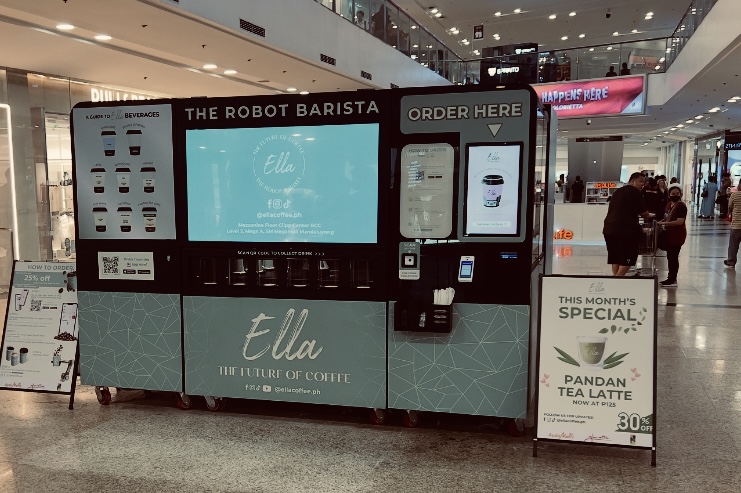
The Popup is a 2m x 2m self-contained unit that can be deployed anywhere in the terminal in under 4 hours.
Zone A: The Interactive Interface (Front)
- Holographic Menu: Displays the real-time “Health Score” of the Pork Inasal based on the time of day (e.g., “High-protein for your red-eye flight”).
- NFC Contactless Hub: No cash, no cards—just tap phone/watch or use the BentoChefs App.
Zone B: The Thermal Retrieval System (Middle)
- The “Smart-Thermal” Grid: A honeycomb of lockers.
- Dual-Zone Tech: Using Japanese insulation tech, the main compartment is kept at exactly 62°C (for that perfect Pork Inasal texture) while the side-salad remains at 4°C in the same locker.
Zone C: The Robot Dock (Rear)
- The Last-Mile Port: This is where the Chinese Delivery Rovers (mini-autonomous vehicles) dock to reload the lockers with fresh boxes from the Ghost Kitchen.
- Zero Human Intervention: The rovers use the terminal’s service elevators and back-corridors to avoid passenger foot traffic.
The Customer Journey: “The Terminal Flow”
- Prediction: At T-minus 2 hours before a flight, the AI scans the passenger manifest (via partnership data). It identifies “Frequent Health-Conscious Flyers.”
- Notification: Your phone pings: “Heading to Tokyo? Your CoastalFare Pork Inasal is ready for pickup at Gate 12. Optimized for your 4-hour flight.”
- The Pickup: You walk to a “Coastal Capsule” Popup. No line. The locker glows blue as you approach. It opens via facial recognition or QR code.
- The Experience: You eat a high-protein, Mediterranean-balanced meal in a sustainable paper-pulp box. You feel energized, not bloated.
- The Data Loop: The app asks for a quick 1-tap review. The AI learns that passengers on the Tokyo route prefer a bit more calamansi (acid) and adjusts the Ghost Kitchen’s seasoning levels for the next batch.
The “BentoChefs” Scalability Factor
Because the site requirements are so low, we can scale from 1 Bistro to 10 Popups across three terminals with only one Ghost Kitchen.